
All our IT gadgets will eventually slow down, even with the best care. That’s when we need a plan for getting rid of them right. To handle the hardware that wears off, IT hardware inventory management created by IT Hub Technology Malaysia creates an IT Asset Disposition (ITAD) plan.
Before we go into the depth of the information, let’s discuss some basics
The IT asset disposition is a process where you can dispose of the IT pieces of equipment. There is an IT hardware inventory service that makes the procedure smooth and throws your items away when they are ready to be disposed of. The IT disposal services consider financial, information security, and environmental considerations to provide an efficient way of disposal. For this IT hardware inventory management, you need to consider an authentic partner like IT Hub Technology Malaysia. Our ITAD plan consists of areas like IT asset disposition, which is getting rid of your IT equipment. Of course, it’s not as simple as throwing your items away when they’re ready to be replaced–ITAD also considers financial, information security, and environmental considerations. Ideally, your ITAD plan should cover various areas, such as:
Before creating your ITAD plan, there are different steps to work on. Create a section for your hardware asset repairs and ways to determine when the equipment is worth repairing, reusing, or disposing of. This will help identify the evaluation of IT hardware inventory management. Consult IT Hub technology on assets worth repairing or disposing of.
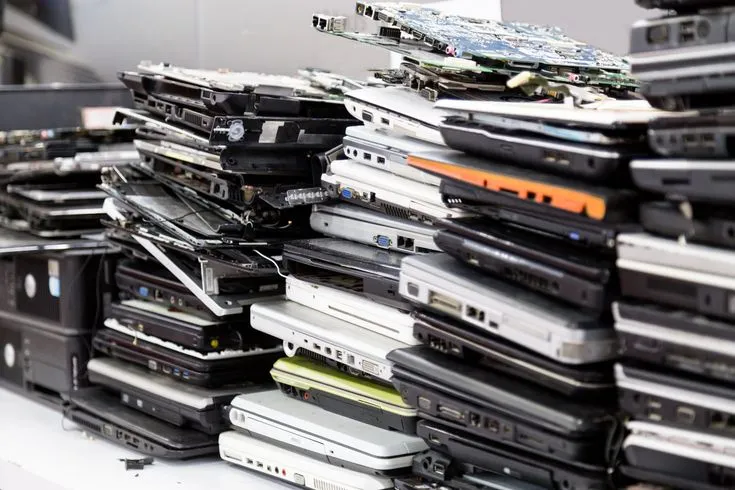
After fixing property, addressing the recovery or removal of an IT asset up for discard is critical. The IT disposal services lessen danger, boosting safety via the removal of this device from the IT hub. However, do this non-peak hours to dodge disruption and secure the device for the upcoming ITAD stage.
Post-decommissioning, all device data needs erasing. Safe discarding thwarts unsanctioned entry to data if the device gets repurposed, helping you stick to the relevant data privacy rules. You need an expert who can deal with your IT hardware inventory management.
There are three sanitizing types based on risk tolerance, security classification, and preferred discard method.
After data cleaning, it’s time for asset disposal. If not leasing and returning to the supplier isn’t possible, there are three alternatives for owned devices:
Resell: Conduct a valuation, then consider selling it off to another company or individual.
Donate: You could offer these decommissioned IT assets to educational institutions or charities.
Shred: If reuse isn’t feasible, or if your company upholds stringent security, IT assets destruction can be your choice.
You’ll likely engage a third-party vendor for device breakdown, recycling, or shredding and disposal. You can always get support from It Hub Technology Malaysia for IT disposal of services.
Updating records: Upon disposal completion, up-to-date record keeping is essential, maintaining data accuracy.
Device’s status in the data center needs updating without excluding them from your asset management system for future audits. Software licenses or vendor contracts must not stay tied to the devices. Data and documentation for all relevant financial, security, and sustainability reports should be updated immediately.
Remember, ITAD is part of IT hardware’s lifecycle. If you know how to manage the end stages, you might keep your hardware running longer. Like fixing it instead of replacing it.
Ready to craft your ITAD policy now? Make a step-by-step guide for your team to pick the right ITAD process by following this guide or work with IT Hub Technology Malaysia. Include who’s in charge and any resources they need.
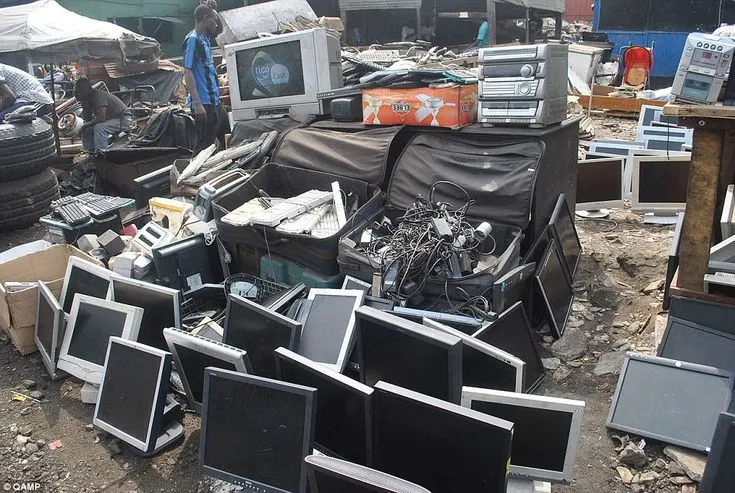
Once you’ve defined your ITAD strategy, putting it into action is the next step. Consider these three vital tips to enhance IT asset disposition.
It’s immensely important to make sure your team knows about your ITAD guidelines and where to find them. If someone is part of an ITAD procedure, provide detailed training to go over these steps. This engrains your ITAD policy throughout your company, encouraging thorough data and accuracy. Be up to date with your IT hardware asset management. Regular check-ins on your IT equipment stock are as important as asset tracking. Keep an eye on any changes in status or condition.
A laptop is labeled as “damaged”, but there’s no record of it being repaired or discarded. Performing audits monthly or quarterly will guarantee adherence to your ITAD rules and maintain accurate data. Evaluate the pros of various asset recovery and disposal tactics.
As you get rid of assets under your ITAD blueprint, measure the pros of each recovery and disposal strategy. If your company is not super careful or has a top-level security rating, weigh the cost against the benefits of varied methods. You might realize impressive ROI with one pair over another. But remember, always weigh these methods’ risks too. For guidance and assistance to avoid having an ineffective IIT hardware inventory management, consult IT Hub Technology.
An all-inclusive IT asset disposition strategy is key to keep your company in line and secure data. Managing data from varying points throughout the ITAD cycle requires a robust asset management tool with solid record keeping and reporting. IT Hub Technology can assist. The complete IT asset tracking platform allows you to monitor your IT assets’ status in real-time, carry out audits, figure depreciation, and much more. If you’re in search of an ideal IT equipment management solution, get your IT disposal consultation today.
Now, put your plan into action. Train your staff. Check your IT inventory regularly. See what disposal methods give you the most benefit. An IT hardware inventory management is invaluable for compliance and security. So make sure you work with the best IT disposal service, like IT Hub Technology, for an effective ITAD process is in the right hands with a comprehensive solution like IT Hub Technology. Its management platform keeps tabs on your IT hardware asset management.